


Wakeboard Boat Setup 101: Rope Length, Speed & Handle Guide
A great wake doesn't happen by accident. It's rope length and boat speed working together. Get either one wrong and you'll spend your session fighting a wake that's too choppy, too flat, or just not where you expect it to be. Whether you're setting up for your first ride or dialing things in for your next trick, this guide covers the settings experienced riders use, so you can spend less time adjusting and more time riding.
Why Rope Length Changes Everything
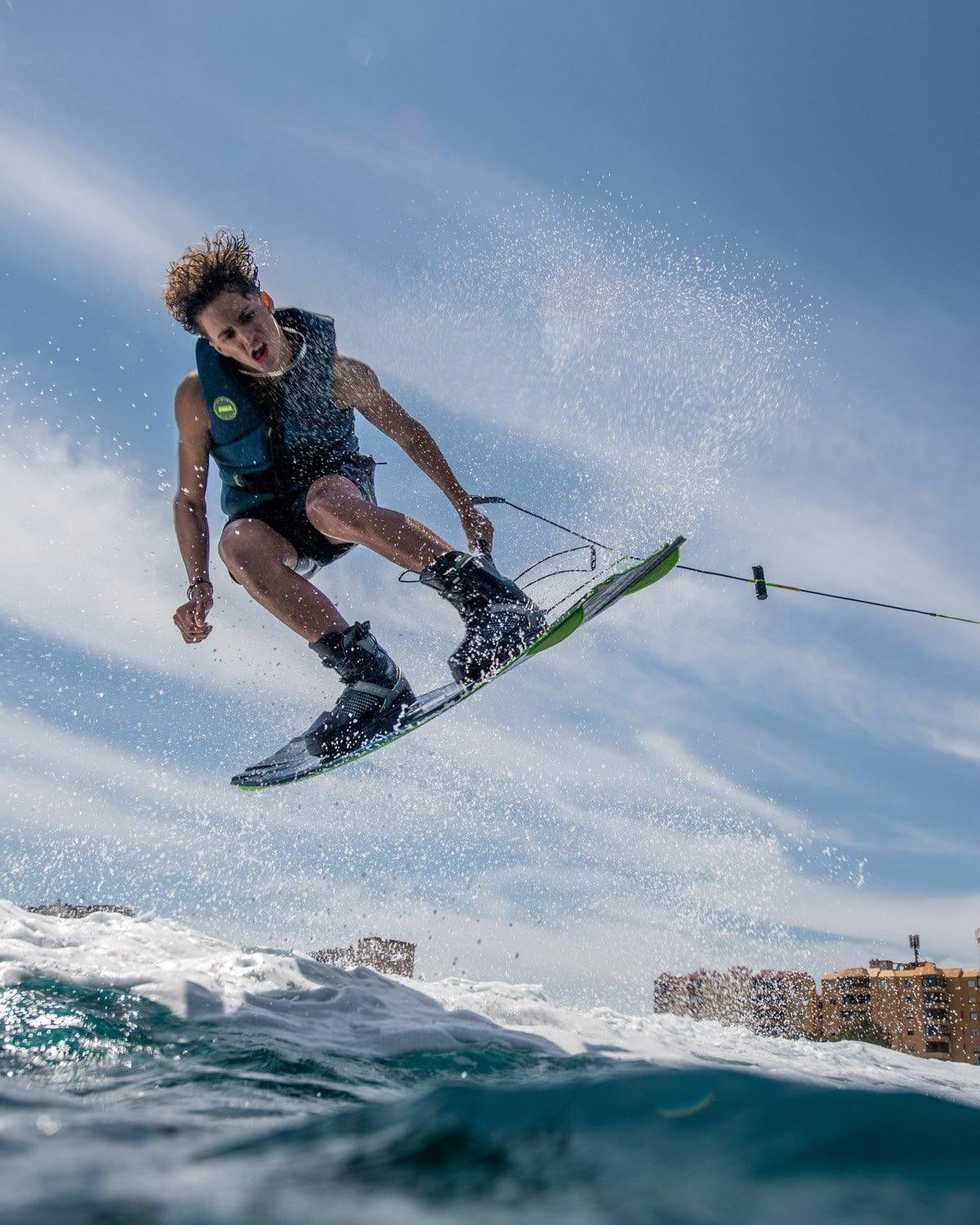
Every wake has a "sweet spot": a point behind the boat where the water is cleanest for jumps, or where the wake face is best for carving. Rope length determines where you sit relative to that sweet spot. Shorter ropes keep you closer to the flatter water right behind the boat, which is easier for beginners. Longer ropes put more distance between you and the boat, letting more advanced riders use the shape of the wake itself for air and tricks.
|
Rider level |
Typical rope length |
Why |
|
Beginner |
10.5–12 m (roughly 15 m rope shortened) |
Keeps you in flatter water, closer to the boat, so it's easier to balance |
|
Intermediate |
15–18 m |
Lets you start using the wake's edge for small jumps and carving |
|
Advanced |
18–23 m |
Positions riders past the wake's second wave for bigger air and tricks |
These are starting points, not fixed rules. Boat type, ballast and rider weight all shift the ideal length slightly, so it's worth experimenting with small adjustments.
Boat Speed by Skill Level
|
Rider level |
Typical speed |
Notes |
|
Kids / first-timers |
18–22 km/h |
Slower speeds keep the wake gentle and manageable |
|
Intermediate |
22–28 km/h |
Enough speed to plane comfortably and start carving |
|
Advanced / tricks |
28–34 km/h+ |
Higher speeds needed for bigger wake features and air |
Setting Up Your Rope and Handle the Right Way
- Attach the rope securely to a tower or pylon point rather than a boat cleat, for a more even pull and safer handling.
-
Check the full length of the rope for fraying or wear before every big session. A worn rope is one of the most common causes of mid-ride snaps.
-
Choose a low-stretch line (like Spectra) over standard polypropylene rope if you're progressing into tricks, since stretch affects how predictable your pull feels.
-
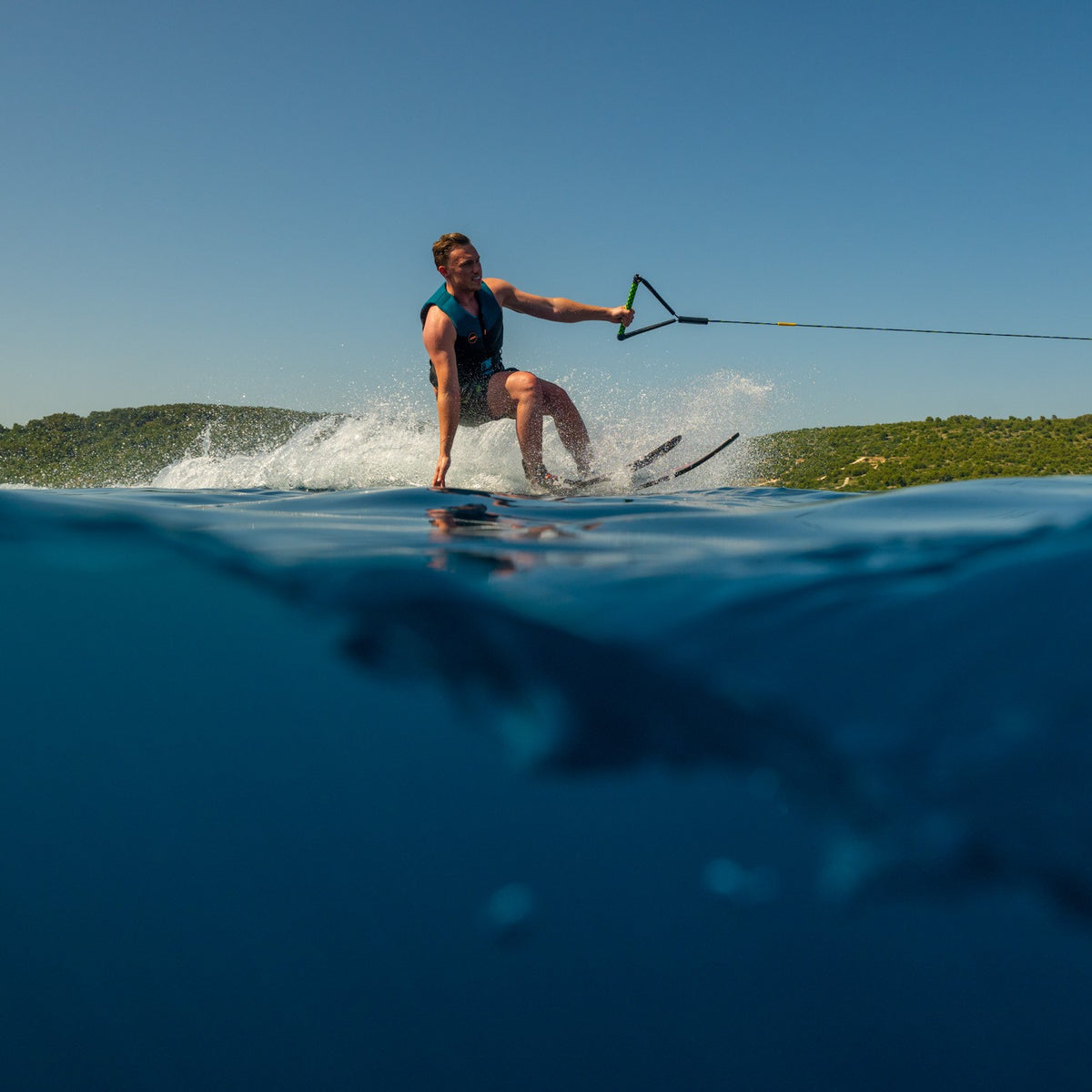
Grip the handle with hands shoulder-width apart, knuckles up, and keep your arms relaxed rather than locked straight.
-
Coil and store your rope out of direct sun when not in use. UV exposure breaks down rope fibres over time.
Matching Your Board to Your Setup
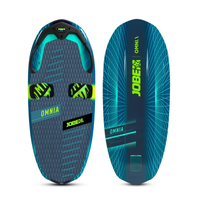
Rope length and boat speed work alongside your board choice, not instead of it. A softer, more flexible board suits slower speeds and beginner setups, while a stiffer board with more rocker holds up better at higher speeds and bigger wakes. If you're not sure what size of board you should choose, make sure to check out our guide.
FAQs
What's the ideal rope length for a beginner wakeboarder?
Most beginners do best around 10.5–12 metres, close enough to the boat that the wake is still relatively flat.
How fast should the boat go for wakeboarding?
For most beginners, 18–22 km/h is a comfortable starting speed. This increases as riders progress and start using the wake for jumps.
How often should I replace my tow rope?
Inspect it every session and replace it at the first sign of fraying, thinning, or stiffness — most ropes last a season or two with regular use, less with heavy sun exposure.
Can I use a ski rope for wakeboarding?
It's not recommended. Ski ropes are usually a fixed length without the segment markers wakeboard ropes use, making it harder to set the right distance for jumps and tricks.
What size wakeboard for the first time?
Looking to choose your first wakeboard? Check out our wakeboard size guide here!
Join the community: got a session clip or your own go-to rope and speed setup? Tag @jobesports_anz — we regularly re-share the best rider tips from the community.